

4 Signs It’s Time to Replace Your Tires
Tire maintenance is an essential aspect of vehicle upkeep that contributes significantly to safety and performance. The quality and condition of your tires directly influence your driving experience, affecting traction, handling, and braking efficiency. Identifying the right time to replace your tires is crucial, as worn or damaged tires can lead to accidents or mechanical failures. This article explores key signs indicating the necessity for tire replacement, providing a comprehensive guide to maintaining optimal tire health. From tread wear to age, understanding these indicators ensures a safer driving experience for you and others on the road.
Regular inspections help identify issues before they escalate, ensuring your vehicle operates smoothly. The health of your tires not only affects your vehicle's performance but also impacts fuel efficiency, as underinflated or worn tires increase rolling resistance. By recognizing early signs of tire degradation, you can prevent costly repairs and improve your vehicle's lifespan. The following sections detail each indicator, offering insights into tire care that enhances safety and economy. Prioritizing tire health is an investment in both your vehicle's value and your safety.
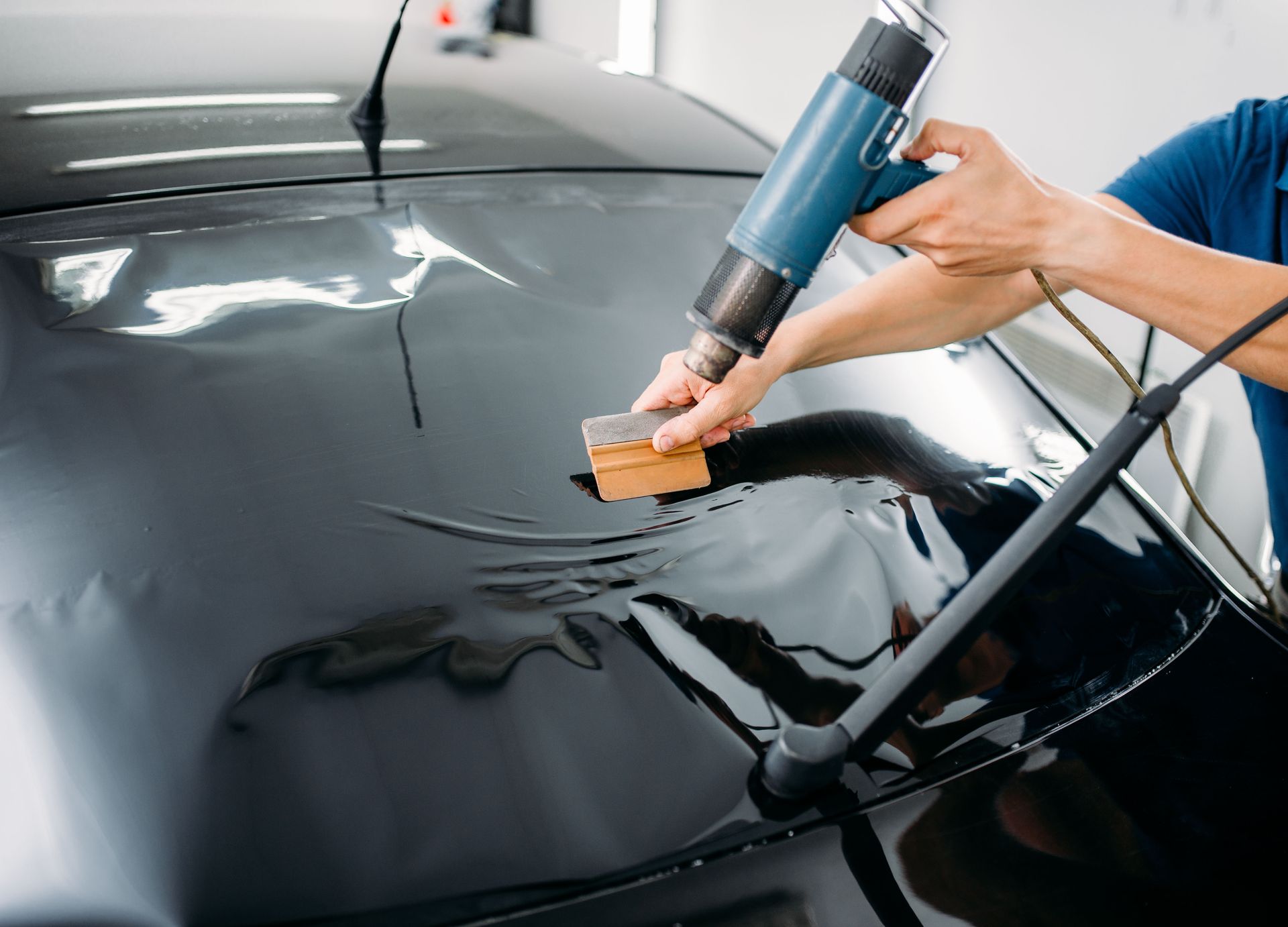
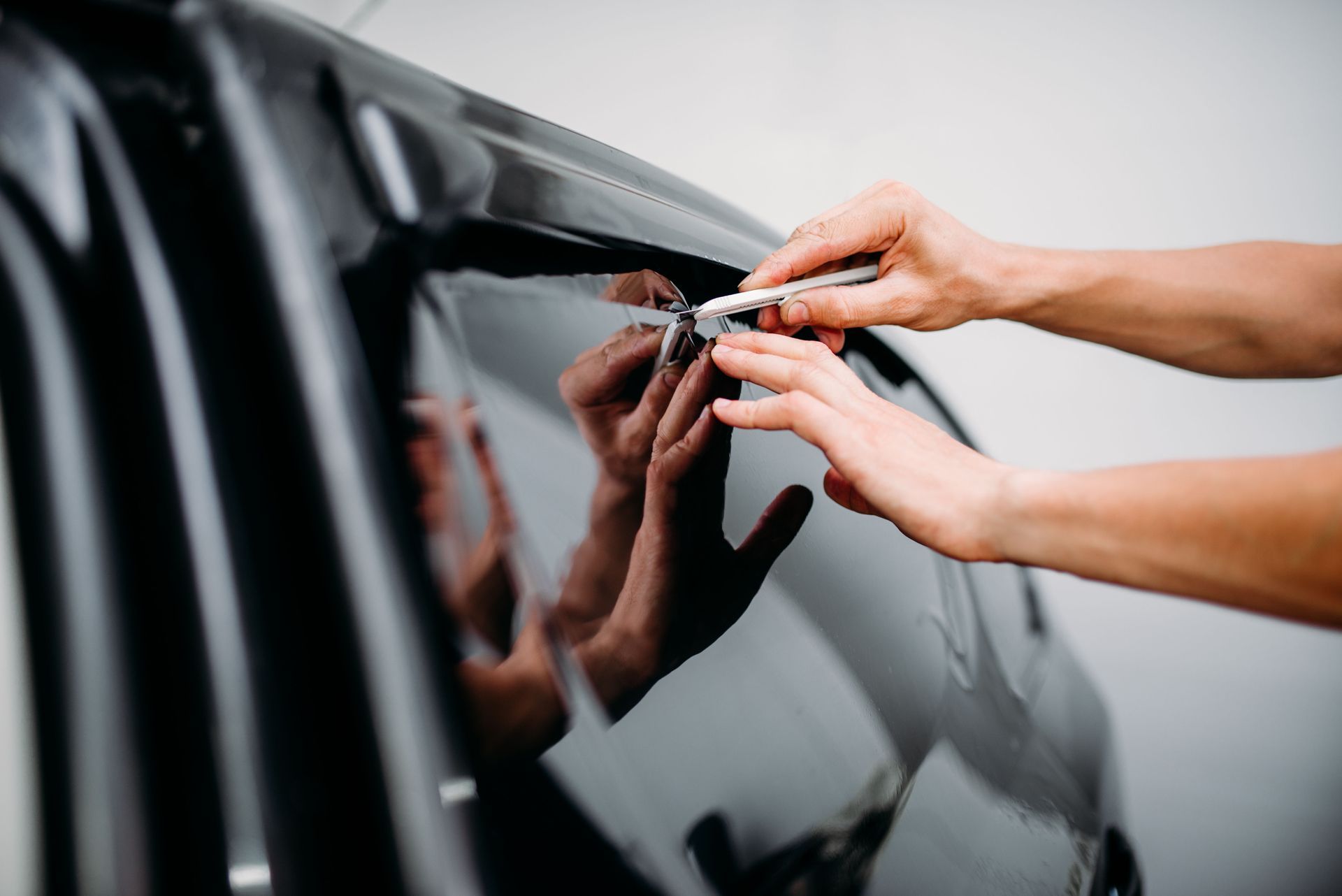
Contrary to other maintenance components like oil changes or window tint, which Kelley Blue Book notes can last up to five years depending on certain factors, tire health requires more frequent attention. Ignoring tire replacement signs can lead to unsafe driving conditions and unexpected breakdowns. As with any safety feature, tires must be periodically evaluated and addressed promptly to prevent potential hazards on the road.
1. Understanding Tread Patterns
Tread patterns on tires are engineered to provide traction, channel water away, and enhance grip on various surfaces. The design and depth of the tread directly affect a vehicle's ability to maintain road contact, especially in adverse weather conditions. As tires age and endure use, these patterns wear down, reducing effectiveness and increasing the risk of slipping or hydroplaning. It's vital to regularly inspect tread patterns, checking for even wear and depth consistency across all tires. Recognizing the importance of these patterns can help car owners maintain optimal driving safety.
There are several types of tread patterns, including symmetrical, asymmetrical, and directional, each designed for specific driving conditions and vehicle types. Understanding the function and benefits of each helps in choosing the right tire for your vehicle needs. Symmetrical patterns are common for long-lasting, quiet rides, while directional patterns typically suit performance-oriented vehicles. Regular monitoring of these patterns ensures a balanced wear rate, prolonging tire life. A uniform tread wear across all tires indicates proper alignment and inflation, contributing to efficient vehicle performance.
Uneven tread wear can signal misalignment, improper tire pressure, or even suspension issues. Identifying these patterns early can prevent further mechanical problems and ensure steady vehicle handling. By keeping a close eye on tire tread, drivers can maintain safer road interactions and improve vehicle efficiency. Regular maintenance and understanding of tread wear indicators not only extend the life of tires but also enhance overall vehicle safety. Early detection of abnormal tread patterns is essential in addressing underlying issues before they become significant concerns.
2. Using the Tread Depth Gauge
A tread depth gauge is a simple yet effective tool that provides an accurate measurement of tread wear. It allows drivers to determine the depth of their tire treads, which is crucial for assessing the need for replacement. The gauge works by being inserted into the tread grooves, then providing a reading indicating the remaining tread depth. Regular use of a tread depth gauge helps in actively monitoring tire wear and predicting the optimal time for replacement. This proactive approach ensures that tires maintain adequate traction and safety on the road.
Tread depth gauges are accessible and easy to use, making them an invaluable tool for vehicle owners. The standard recommendation for replacing tires is when tread depth reaches 2/32 of an inch. Utilizing this tool regularly can prevent the risks of driving on bald tires, such as reduced handling capabilities and increased risk of hydroplaning. Consistent tread depth measurements highlight potential issues early, allowing for timely intervention and maintenance. Investing in a tread depth gauge is a cost-effective way to ensure safety and prolong tire life.
Beyond ensuring safety, using a tread depth gauge can enhance fuel efficiency and improve vehicle performance. Worn tires can lead to increased fuel consumption due to additional rolling resistance, compelling the engine to work harder. Regular monitoring and maintaining optimal tread depth ensure that the vehicle runs efficiently, reducing fuel costs over time. This practice complements other forms of vehicle maintenance, such as ensuring proper window tint longevity, as indicated by Kelley Blue Book's advice on tint care. By leveraging simple tools like the tread depth gauge, vehicle owners can better manage and extend the life of their tires.
3. Signs of Uneven Tread Wear
Uneven tread wear is a clear indicator that your vehicle might be out of alignment or that tire balancing is required. Common signs include excessive wear on either the inside or outside edges of the tread, often referred to as 'toe' or 'camber' wear. These irregular wear patterns can compromise driving safety by impacting traction and handling stability. To identify these issues, conducting regular visual inspections and running your hand over the tread surface can highlight inconsistencies. Diagnosing uneven wear early can prevent further tire damage and improve vehicle control.
Factors such as improper inflation, misalignment, and aggressive driving habits can contribute to uneven tread wear. Each of these factors leads to distinct wear patterns that require targeted interventions to correct. For instance, inflation may cause even tread wear but reduce the contact surface with the road, leading to decreased traction. Conversely, under-inflation causes the tire's sides to wear faster, necessitating frequent checks and adjustments. Recognizing specific patterns and understanding their implications can aid in timely corrective actions and prevent premature tire replacements.
Addressing uneven tread wear involves more than just tire inspection; it requires a comprehensive approach that includes regular alignment checks and balancing services. Balancing tires involves the distribution of vehicle weight uniformly across the tire's structure, reducing vibrations and even wear. Regular rotation and alignment services ensure that all tires wear evenly, extending their life span and maintaining vehicle performance. Just as diligent care can extend the life of window tints to five years, meticulous tire maintenance can help achieve maximum efficiency and safety. Adopting these practices contributes significantly to vehicle safety and driving comfort.
4. Legal Tread Limitations
Legal tread limitations define the minimum allowable tread depth to ensure road safety and compliance with vehicle regulations. In many regions, the legally mandated minimum tread depth is 2/32 of an inch, often enforced through periodic safety inspections. Staying aware of these limitations helps drivers avoid penalties and ensures their vehicle meets road safety standards. These regulations aim to minimize the risk of accidents caused by poor traction and inadequate braking capabilities. Understanding and adhering to legal requirements is crucial for responsible vehicle ownership and public road safety.
Besides safety concerns, ignoring tread wear can also affect the overall health of your vehicle's suspension and alignment systems. Worn tires often lead to increased vibrations and irregular wear patterns that stress these components, decreasing their longevity. Addressing tread wear proactively helps in avoiding such mechanical issues, reducing maintenance costs in the long run. Professional inspections, in addition to DIY checks, ensure that no aspect of tire health is overlooked, promoting smoother, safer travels. Neglecting this critical element of vehicle maintenance compounds risks and costs unnecessarily. According to Kelley Blue Book, Typical aftermarket car window tint can last up to five years, depending on the film type, quality of installation, and maintenance. Be sure to reach out to Mobile Motorsports Inc for more information on our professional auto tires!


Share On: